French Roulette in New Zealand: Rules and Free Play
 Available in US
A practical guide to French roulette’s wheel, wagers, zero rules and odds, with free play framed as interface practice rather than a prediction tool.

Table of Contents
- What Free French Roulette Can—and Cannot—Show You
- French Roulette Online in New Zealand: Rules and Market Context
- How the French Wheel and Live Table Work
- How to Place French Roulette Bets and Apply Zero Rules
- French Roulette Odds, Probability and Strategy Limits
- French Roulette vs American Roulette: The Wheel Difference
- French Roulette Payouts and Playing for Practice
- French Roulette Calls: Wheel Neighbours and Dealer Terms
- French Roulette, Casinos and the Blackjack Edge Question
- French Roulette Gold Live: Check the Rules, Not the Label
What Free French Roulette Can—and Cannot—Show You
A free French roulette game can give you a way to learn the basic sequence of play without staking money. You can explore the controls, select a wager, submit it before betting closes, and follow what the game displays after a spin. In a practice session, the balance shown is simulated: it is not money you can withdraw, and losing it does not create a real-money loss.
That makes free play useful for checking whether you understand the interface. You can see where selections appear, how the game indicates that a bet has been accepted, and where it reports the result. The exact controls and presentation depend on the game. Taking time to inspect them in a no-stakes session can help you avoid confusing a selected option with a confirmed wager when you later encounter a real-money table.
Free play can also make the pace easier to understand. You can observe when the game accepts bets, when betting closes, and when the result is shown. If the game offers a way to repeat a previous selection, you can test what that control does before relying on it. Treat these actions as interface practice, not as a way to develop a prediction. A practice session can show you how the software responds to your choices; it cannot reveal what the next result will be.
If you’re considering French roulette in New Zealand, use this list as a starting point for checking which operators may suit your needs. Review each operator’s available details before deciding.
License: Tobique Gaming Commission, licence no. 0000064 You can note that Neospin lists a Tobique Gaming Commission licence, number 0000064.
License: Tobique Gaming Commission, licence no. 0000091 7Bit Casino lists a Tobique Gaming Commission licence, number 0000091, which you can use as a reference when reviewing the operator.
License: Malta Gaming Authority, licence no. MGA/B2C/370/2017 Play Grand lists a Malta Gaming Authority licence, number MGA/B2C/370/2017.
License: Tobique Gaming Commission, licence no. 0000002 Ricky Casino lists a Tobique Gaming Commission licence, number 0000002.
License: 07017519840 · Payout speed: 1-3 business days Zotabet lists the identifier 07017519840 and a payout speed of 1–3 business days.
License: Malta Gaming Authority, licence no. MGA/B2C/394/2017 N1 Casino lists a Malta Gaming Authority licence, number MGA/B2C/394/2017.
Payout speed: 1-3 business days Lamabet lists a payout speed of 1–3 business days.
Payout speed: 1-3 business days Wintino lists a payout speed of 1–3 business days.
License: Curaçao Gaming Authority, licence no. OGL/2024/165/0185 BitStarz lists a Curaçao Gaming Authority licence, number OGL/2024/165/0185.
The distinction matters because simulated play and real-money play do not carry the same consequences. In free play, a lost simulated balance has no direct financial cost. With real money, every bet can lose, and any returned balance depends on the game’s rules and the result. Practice does not remove that risk or make a real-money session behave like a harmless extension of the demo. Do not risk more than you can afford to lose.
A free French roulette online session may resemble a paid version in its visual layout, controls, and sequence, but resemblance is not proof that every rule or feature is identical. Read the information shown for the particular game before relying on what you learned in a demo. In particular, do not assume that a free version demonstrates the rules that would apply at another table. The label “French roulette” alone is not a substitute for checking the displayed rules.
The term “French roulette” identifies a roulette variant, but free play by itself does not tell you what makes a particular version French in practice. A demo may use the same name while presenting different settings or omitting details that matter in real-money play. Use it to become familiar with the controls, then check the game information separately when you need to understand its rules. This keeps interface familiarity distinct from knowledge of how a wager is settled.
A practice balance can also make it tempting to experiment with repeated choices. That is reasonable as a way to learn what the buttons do, but the results of those experiments should not be treated as evidence that a pattern is forming. Roulette spins are independent: earlier results do not change the probability of outcomes on later spins. A run of the same colour, number group, or other result does not make a different outcome “due,” and a practice history cannot forecast a real-money spin.
The same limit applies to records and statistics displayed by a game. They can describe results that have already appeared, but they do not alter the next spin. A list of previous outcomes is historical information, not a mechanism that controls what comes next. If you use a free session to observe such a display, treat it as a record rather than a signal. The next outcome remains uncertain regardless of what the previous entries show.
Free online French roulette is therefore most useful for learning the software’s basic flow and checking that you can make a selection and understand the result screen. It cannot establish that you will win with real money, identify a reliable betting pattern, or guarantee that another version uses the same rules. Keep those limits clear: practice can reduce uncertainty about the interface, but it cannot reduce the randomness of roulette or remove the financial risk of a real-money bet.
Wheel Type Single-zero
Key Rules La Partage or En Prison
House Edge As low as 1.35% on eligible bets
French Roulette Online in New Zealand: Rules and Market Context
When you encounter French roulette online, treat the game’s name as a starting point, not a complete description of its rules. French roulette uses a single-zero wheel, but that label alone does not establish whether the table applies La Partage or En Prison. Check the game’s information panel and rules before playing, and confirm whether either rule applies to eligible even-money bets when zero appears. If the terms do not state this clearly, you cannot assume the more favourable settlement applies.
Also check which version of the game is open. A site may offer several roulette tables with different rules, interfaces or providers. The table-specific rules matter more than a general description elsewhere on the site. Read the listed payout and settlement information, and make sure the displayed rules match the game you intend to play. The details can affect how a bet is treated; they do not make a spin predictable.
New Zealand’s licensing transition
New Zealand’s online casino framework changed in 2026. The Online Casino Gambling Act 2026 took effect on 1 May 2026 and created the country’s first domestic licensing system for online casino gambling. The transition runs from that date to 1 December 2026. Providers that were already serving New Zealand customers before the Act began may continue during this period, subject to the transitional provisions.

The Gambling Act 2003 does not permit online casinos to be based in New Zealand. Before the new Act, offshore casino services were not licensed or supervised by a New Zealand regulator, so customers using them had no domestic government recourse. The new framework does not mean every website offering French roulette is locally licensed: the full licensed regime is not expected to be operating until 2027, and unlicensed operation is expected to become an offence around mid-2027.
The Department of Internal Affairs is New Zealand’s primary gambling regulator and oversees regulation of the online casino licensing framework. The Gambling Commission hears and decides casino licence applications, issues online casino licences and approves changes to licence conditions. These roles are distinct, so a general reference to regulatory oversight is not proof that a particular provider holds a licence.
During the transition, online casino gambling must not be advertised to people in New Zealand. Providers without a licence may face enforcement action and fines of up to NZ$5 million. A provider that has not applied for a licence must stop conducting online casino gambling in New Zealand by 1 December 2026. Licensed operators must use stricter age and identity checks. If you are asked to verify your identity, understand what information is required and why before submitting it.
Read the terms before accepting a bonus
A casino bonus is a separate set of conditions, not part of the roulette rules. Check eligibility, wagering requirements, expiry, game contribution and withdrawal restrictions before accepting an offer. Under the stated bonus terms, bonus money must be wagered 50X within 30 days, while winnings from free spins must be wagered 50 times within 7 days. A withdrawal request voids all active or pending bonuses. These conditions can affect whether bonus-related funds or winnings remain available, even if the game itself has settled normally.
- Check the specific game rules for La Partage or En Prison
- Verify the number of zero pockets on the wheel
- Read the terms and conditions of any casino bonus
- Assume a free version demonstrates the rules of a real-money table
- Treat practice sessions as a way to predict future results
- Risk more than you can afford to lose
Finally, distinguish a practice table from real-money play and do not treat either as a way to forecast future results. Roulette outcomes are random, and every real-money bet can lose. If you choose to play, do not risk more than you can afford to lose.
How the French Wheel and Live Table Work
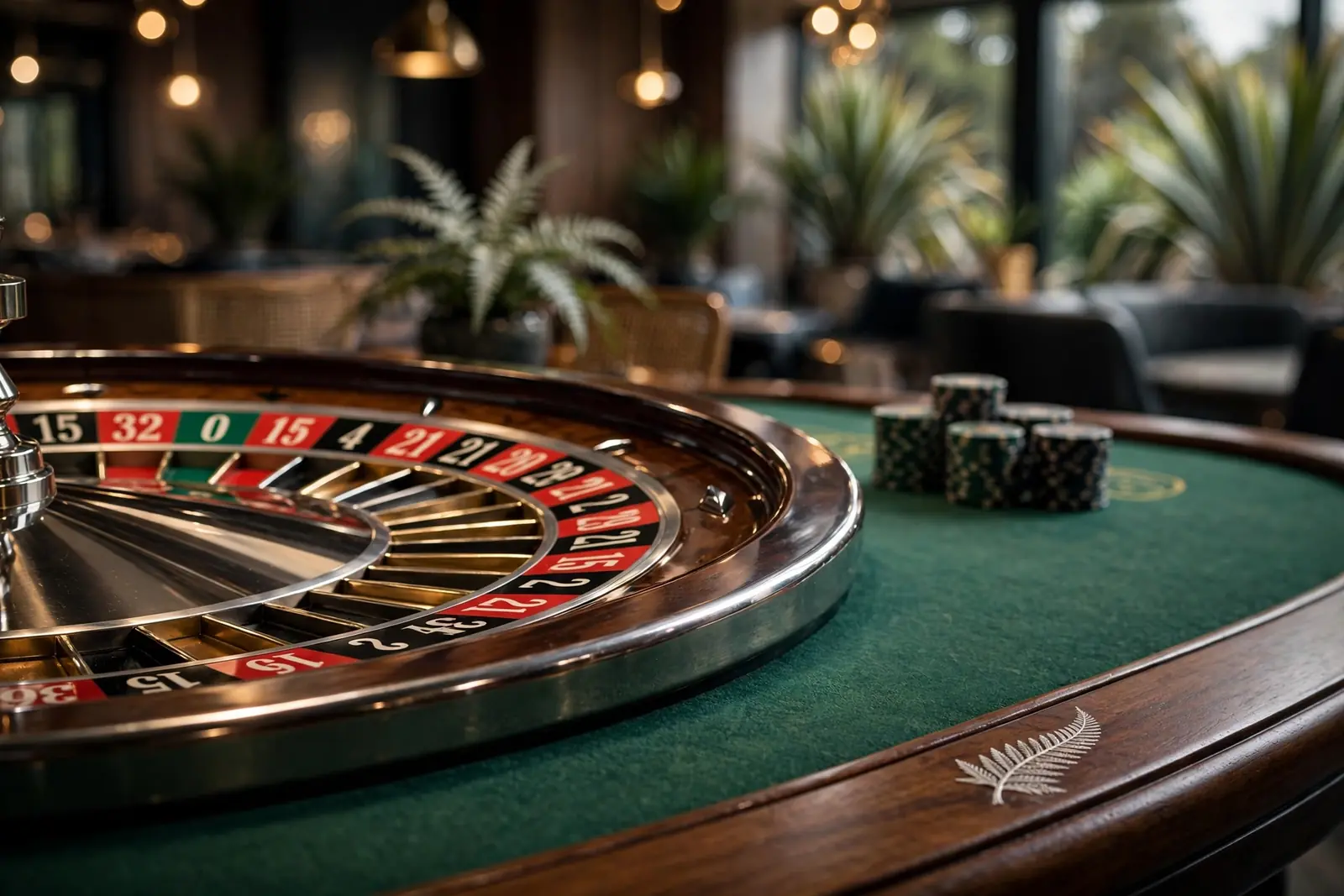
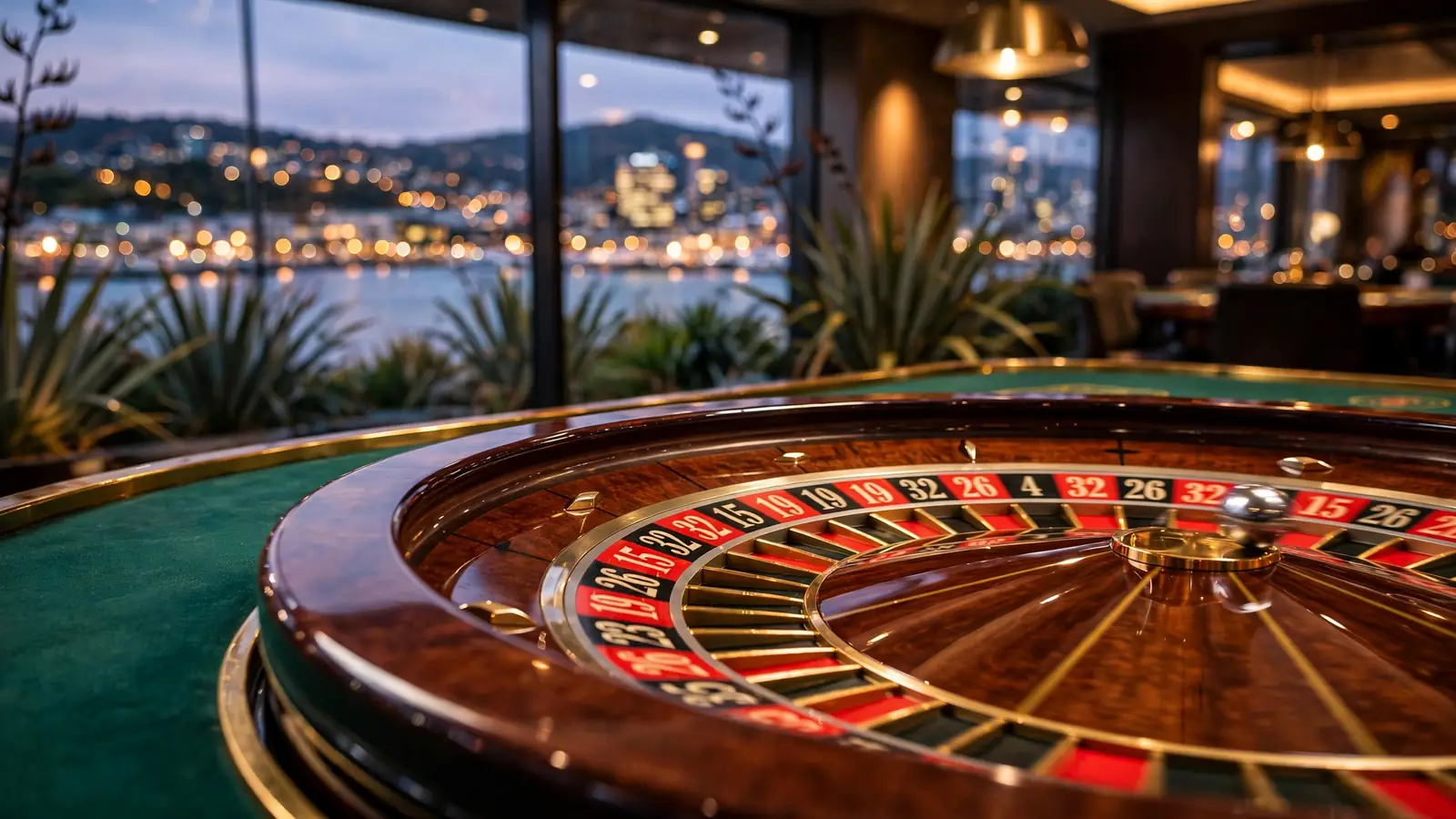
The defining feature of a French roulette wheel is its single zero. Its numbered pockets follow the same wheel arrangement as European Roulette; the French distinction comes from rules such as La Partage and En Prison, not from a different sequence of pockets. This matters when you look at an online table: the felt may use French labels and markings, but the wheel itself still has the single-zero structure.
A table screen brings together two views of the game. The betting layout shows where wagers can be placed, while the wheel display shows the physical or simulated sequence of pockets. These are separate arrangements. Numbers are grouped in rows and sections on the layout to make betting areas readable; around the rim, they appear in wheel order. The order around the wheel is what determines which pocket the ball reaches, not the visual position of a number on the felt.
In a live French roulette game, a camera shows a real wheel and the dealer’s actions. The interface usually places the betting layout beside or below the video, so you can watch the spin while the table display indicates the current betting phase and result. The presentation can resemble a physical casino table, but the video does not alter the wheel’s structure. The single zero remains part of the wheel, and the live format does not itself change the game’s odds.
An automatic table replaces the dealer-and-camera view with a computer-rendered wheel or other automated presentation. The interface still needs to show the layout, indicate when the spin is in progress, and display the result after the ball settles. Depending on the game, the wheel may be represented graphically rather than shown as a filmed object. That is a difference in presentation, not evidence of a different wheel layout. To identify the variant, look for the single-zero wheel and the rules attached to the table rather than relying only on labels such as “live” or “automatic.”
The same distinction helps when a game is opened on a desktop computer or a smaller screen. A responsive interface may rearrange the video, wheel and betting layout to fit the display. It may show the wheel in a separate panel, place it beside the felt, or let you switch between views. Those changes affect how much of the table is visible at once; they do not turn French roulette into another wheel variant. If parts of the interface are hidden, expand the game view or inspect its information panel before assuming that a layout element is absent.
When comparing a live table with an automated one, focus on what each view lets you observe. A live feed makes the dealer and physical spin visible; an automated display presents the spin through a generated animation. In either case, the relevant structure is the wheel’s single zero and the order of its pockets. The on-screen felt is a map for wagers, while the wheel is the mechanism that produces the result.
The defining feature of a French roulette wheel is its single zero, regardless of whether the presentation is live or automated.
The name “French” also does not mean that every table with that label will show identical rules. French tables can include La Partage or En Prison, but their availability and application are features of the particular game’s rules. The wheel view alone cannot establish which rules are active: a single-zero wheel identifies the relevant layout, while the table information explains the rules that accompany it. Check both parts of the interface before treating a game’s name or visual style as a complete description of its mechanics.
How to Place French Roulette Bets and Apply Zero Rules
To place a French roulette bet, choose a chip value, select a position on the betting layout and place your chip before betting closes. The position determines which outcome you are backing. Outside bets cover broad groups shown around the layout; inside bets select narrower combinations or individual numbers. The distinction matters when zero lands: La Partage and En Prison apply only to even-money outside bets, not to every wager on the table.
Even-money outside bets include choices such as red or black, odd or even, and low or high. “Even-money” describes the return when the selected outcome wins: your original stake is matched by winnings. Other bets, including wagers on individual numbers, do not qualify for the French zero rules. A single-zero wheel alone does not establish that those rules are in use; the table must state which settlement rule applies.
Once you have placed your chips, check their positions before betting closes. A chip on an outside-bet area backs that category, while a chip placed on a number or a combination of numbers backs that specific selection. The dealer or game interface then closes betting and runs the spin. After the result is shown, winning bets are paid and losing bets are collected according to the wager and the table’s stated rules.
If zero lands, first identify whether your bet is an eligible even-money outside wager. With La Partage, half of that stake is returned and the remaining half is collected. The rule therefore reduces the loss on that bet; it does not protect inside bets or other wagers. If the table offers En Prison instead, the eligible outside bet is held for the next spin rather than settled immediately. If your selection wins on that next spin, your original stake is returned, but you receive no additional winnings. If it loses, the stake is collected.
These outcomes are not interchangeable. La Partage settles part of the stake as soon as zero appears. En Prison leaves the stake pending and makes its final return depend on the following spin. Read the table rules before placing chips, because the word “French” by itself does not tell you which of these procedures the game uses. When neither rule is specified, do not assume an eligible bet will receive either treatment.
Learning French roulette bets means learning both the layout and the settlement condition attached to your selection. Translate the position of your chip into the wager it represents, then check whether that wager is even money and whether the table applies La Partage or En Prison. That sequence helps you understand what happens after a zero without confusing a special settlement rule with a general feature of every bet.
No betting system can make a roulette result certain or guarantee a win. Each real-money bet can lose, so do not risk more than you can afford to lose. If you use a bonus, check its conditions: bonus money must be wagered 50X within 30 days, and winnings from free spins must be wagered 50X within 7 days. A withdrawal request voids all active or pending bonuses. These conditions affect bonus funds, not the way a roulette wager is classified or settled.
French Roulette Odds, Probability and Strategy Limits
The house edge describes the share of stakes a game is expected to retain over a large number of bets. It is a long-run measure, not a forecast of what will happen to your next wager. In French Roulette, the edge can fall to 1.35% when La Partage or En Prison applies. That lower figure is linked to the special treatment of eligible even-money bets when zero appears; it does not alter the chance of the wheel landing on any particular pocket.
The distinction matters because an edge is calculated across repeated play. A French Roulette table with the relevant zero rule can return more to players on qualifying even-money wagers than the same single-zero game without that treatment. The benefit is limited to those bets and to the zero situation covered by the rule. Other wagers do not gain the same protection. French Roulette therefore offers its strongest odds on even-money bets, but that advantage is conditional rather than universal.
Probability works at the level of each spin. Roulette spins are independent, so earlier outcomes do not make a number, colour or even-money result more likely on the next turn. A run of red does not make black due, and a sequence of zeroes does not make another zero more or less likely. The wheel has no memory of the previous result.
This is why a French Roulette strategy cannot reliably identify a winning sequence or remove the house edge. Changing stake sizes, alternating between colours, or following a pattern may change how much you have at risk and how your results fluctuate. It does not change the wheel’s probabilities. A system that increases stakes after losses can make a losing run more costly; a system that reduces stakes after wins cannot make future outcomes more predictable.
When assessing a table, separate two questions: which bets receive the French zero rule, and what decision you are making with each stake. The rule can improve the long-run expectation for eligible even-money wagers, but it does not guarantee a return on an individual bet. A lower house edge means less expected loss per unit wagered over extended play, not that a session is likely to finish ahead.
The practical limit is straightforward: choose a stake for its possible loss, not because a pattern appears to favour a result. Every real-money roulette bet can lose, and no staking plan changes that. Do not risk more than you can afford to lose.
French Roulette vs American Roulette: The Wheel Difference
The main difference between French and American roulette is the wheel’s pocket count. French Roulette uses the same single-zero layout as European Roulette: 37 pockets in total, with one zero. American Roulette has 38 pockets, adding a double-zero pocket alongside the single zero.
Uses a single-zero wheel and may include rules like La Partage or En Prison.
Uses a double-zero wheel, resulting in a higher house edge.
That extra pocket changes the chance attached to each numbered outcome. On a single-zero wheel, a number occupies one of 37 possible pockets; on an American wheel, it occupies one of 38. The same bet therefore has a lower probability of winning on the American wheel, while the standard payout for a winning number remains based on the wager rather than increasing to compensate for the extra pocket.
The difference is reflected in the house edge. European Roulette has a 2.70% house edge, while American Roulette has a 5.26% edge. French Roulette shares the European single-zero wheel, so the wheel-based comparison starts from the same 37-pocket structure. Special French rules can affect eligible bets, but the wheel itself does not gain another zero.
The double zero is not merely another label on the layout. It is an additional outcome that can make a wager lose, while leaving the payout structure unchanged. That is why the American wheel has a higher house edge than the single-zero European wheel. When comparing French and American roulette, checking the number of zero pockets tells you more than relying on the game name alone.
“French bets” and “American bets” do not describe two different sets of numbers on the wheel. The key distinction is the wheel configuration, followed by the rules the table applies. A French-branded game with a single zero has the single-zero wheel structure; an American table with both zero and double zero has the larger pocket count and the higher standard edge.
For a practical comparison, look for the zero markings and confirm the stated rules before you play. If the wheel has one zero, its base structure matches European Roulette. If it has both zero and double zero, it is the American configuration. Those details explain the underlying difference without relying on graphics, table colours or a game’s title.
French Roulette Payouts and Playing for Practice
A payout percentage is a theoretical measure of how much of the total stake a game returns across repeated play. It is not a forecast for an individual session, and it does not mean you will receive that share of your own wagers. A run of results can differ substantially from the long-term figure.
A specialist review reports a payout percentage of 97.30% for European roulette and 94.70% for American roulette. The European figure is a useful baseline for French roulette because both use a single-zero wheel. It describes the standard calculation before accounting for French rules that alter the settlement of certain bets when zero appears.
Where La Partage applies, an eligible even-money outside bet receives different treatment on zero, reducing its effective house edge. That changes the expected return for that bet type; it does not change the wheel or improve the payout of every wager at the table. Check the rules displayed for the specific game before relying on a payout figure. A French label alone does not tell you how zero is handled.
Practice play can help you understand how a displayed payout relates to a stake and how a result is recorded, without putting money at risk. It cannot demonstrate that a payout percentage will be realised over a short session. A practice balance is not money you can withdraw, and results in a simulated session do not predict what will happen in real-money play.
Attention A payout percentage is a theoretical long-term measure and does not guarantee results for an individual session.
When you play French roulette for fun, keep those distinctions clear. In real-money play, every bet can lose, and roulette outcomes are random. A payout percentage is a way to compare the mathematical structure of games over time, not a tool for identifying the next result or recovering a loss. Do not risk more than you can afford to lose.
French Roulette Calls: Wheel Neighbours and Dealer Terms
In French roulette, a call bet is a named group of numbers defined by where those numbers sit around the wheel. It is not a group formed by the numbers’ positions on the betting layout. That distinction matters: the layout arranges numbers so you can select them, while a wheel call refers to a sequence or section around the wheel’s rim.
A call therefore depends on the wheel order, not on whether numbers appear near one another on the table. Two numbers that look adjacent on the layout are not necessarily neighbours on the wheel. Conversely, a called group can include numbers that are separated across the layout because their relevant relationship is their position around the wheel.
Dealers may use short names for established wheel groups, and a player can request a call by name where the table offers it. The name is a shorthand for a defined selection, not a prediction about where the ball will land. If you are unfamiliar with a term, ask the dealer to identify the numbers included before placing the bet. That checks the meaning without relying on how the name sounds or on the layout’s visual arrangement.
The phrase “dealer tip” can also mean a gratuity, rather than guidance about calls. Those are different matters. A dealer’s explanation of a call describes the selection; it does not change the wheel, the possible outcomes or the way a spin is determined. If a call is unfamiliar, treat the explanation as a description of which numbers it covers, not as a signal that those numbers are more likely to appear.
This is one useful way to understand what French roulette is: a roulette variant whose named wheel calls organise number selections by wheel position. The calls do not make the result easier to forecast. Each spin is random, and earlier results do not alter the probability of a later one. A call changes which numbers your bet covers; it does not create an advantage based on their past appearances or their visual proximity on the table.
Before confirming a called bet, make sure you and the dealer mean the same group. If the table uses a term you have not encountered, ask which wheel positions it includes and check that the selected numbers match. Do not risk more than you can afford to lose: every real-money roulette bet can lose, whether it is named individually or placed as part of a call.
French Roulette, Casinos and the Blackjack Edge Question
When comparing casino games, the house edge is useful only if you know what it measures and which rules apply. In French Roulette, the quoted figure depends on the zero rules at the table. Where La Partage or En Prison applies, the house edge is 1.35% for eligible even-money bets. This makes those bets comparatively favourable within roulette, but it does not establish how French Roulette compares with blackjack.
Blackjack does not have one fixed edge that can be compared with that figure in isolation. Its result depends on the rules in force and how the game is played. A meaningful comparison would need a blackjack edge calculated under specified rules, alongside a clear account of which French Roulette bets and zero rules are being compared. Without that like-for-like basis, saying that French Roulette or blackjack has the smaller edge would imply a precision the comparison does not support.

The roulette figure also has a narrow meaning. It describes the game’s expected advantage over repeated play under the stated conditions; it does not predict an individual result or make a particular bet certain to win. Each spin remains random. A lower house edge changes the long-run expected loss, not the probability that the next spin will go your way.
When you encounter French Roulette at a casino, check the table rules rather than relying on the game name alone. Confirm whether La Partage or En Prison is actually offered and which bets qualify. Those rules affect even-money outside bets when zero lands; they do not make every wager on the table carry the same edge. A casino may display the French Roulette label while the practical comparison you care about depends on the specific table conditions.
The same care applies to blackjack comparisons. A general claim that one casino game has the “best odds” can hide differences in rules, bet type and play conditions. For French Roulette, the defensible point is specific: La Partage and En Prison give eligible even-money bets better odds than they would have without those zero rules. That supports comparing French Roulette tables with one another, but not naming blackjack as better or worse without a comparable basis.
No edge figure removes the risk of losing a real-money bet. Roulette outcomes are random, and a betting system cannot remove the house edge. Do not risk more than you can afford to lose.
French Roulette Gold Live: Check the Rules, Not the Label
The words “Gold Live” do not, by themselves, tell you which roulette rules a table uses. Treat them as a label, not evidence of a special wheel, a particular payout or a lower house edge. To identify French roulette, check the game information and table rules for the mechanics that define the variant.
The wheel should have a single zero, as in European Roulette. French Roulette uses that same wheel layout, so the name does not imply an additional pocket or a different arrangement. Its distinguishing rules may include La Partage or En Prison. Whether either applies depends on the rules displayed for the particular table; do not infer their availability from “Gold” or “Live.”
La Partage is exclusive to French roulette. If the table offers it, the rules should state which bets qualify and what happens when zero lands. En Prison is another possible French rule, but it should likewise be expressly described rather than assumed. These rules concern eligible even-money bets, not every wager on the layout. The table information is therefore more useful than a product label when you need to establish what a zero means for your bet.
A live presentation describes how the game is shown, not a change to the underlying wheel mechanics. Likewise, a branded title does not establish that the game is French roulette. Before placing a bet, verify the single-zero wheel and read the stated rules for La Partage or En Prison. If the information does not confirm them, do not count on those rules being applied.
The same checks matter when you play for real money: outcomes are random, and every real-money bet can lose. Do not risk more than you can afford to lose. Nothing in a “Gold Live” label makes a future result predictable or establishes a special advantage.
Published by the Casino Bonus Guide NZ team.