
Live Roulette in New Zealand: Rules and Tables
 Available in US
Explore how regulation, table formats, video feeds, odds and round timing shape the live roulette experience in New Zealand.
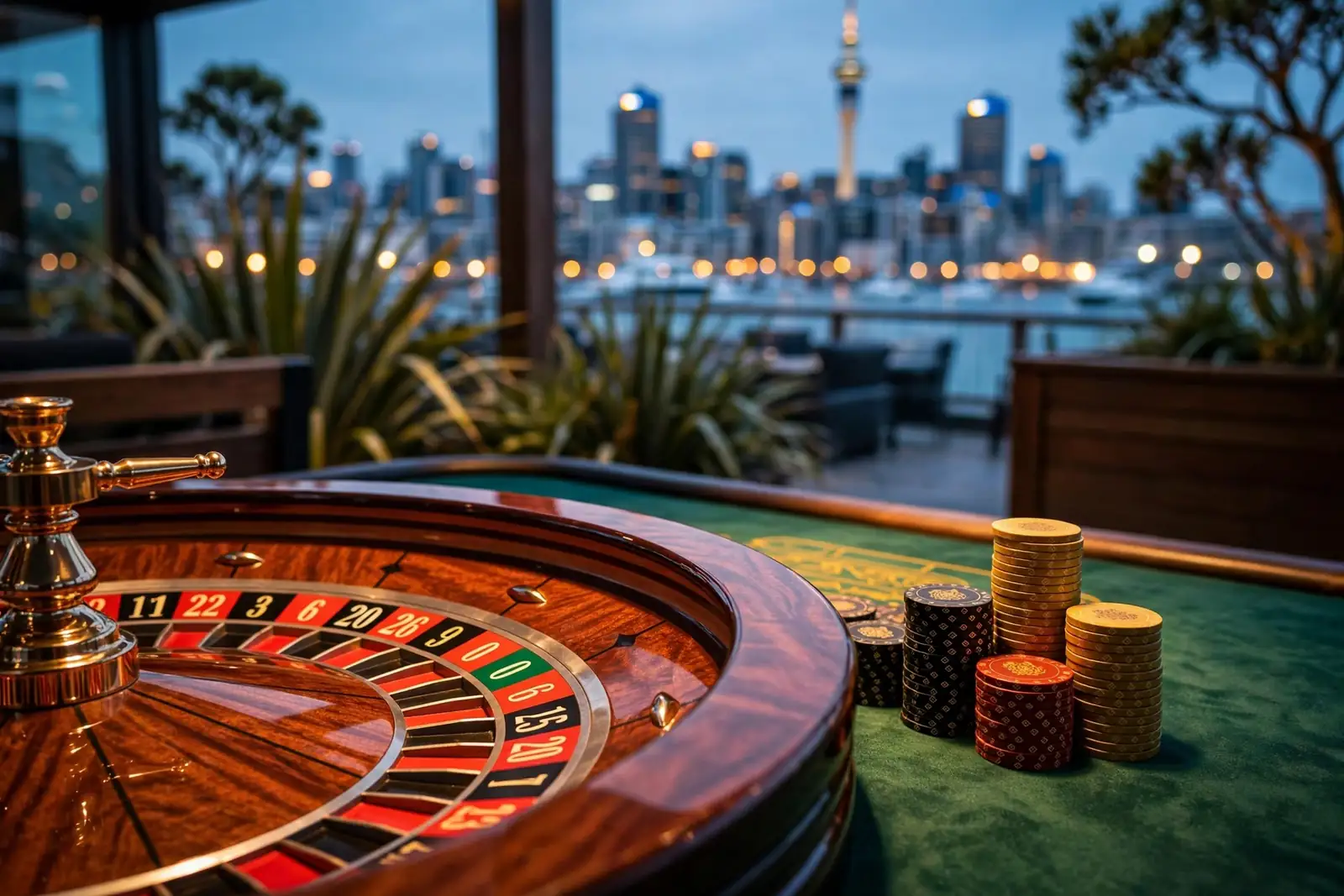
Table of Contents
- How New Zealand’s Online Casino Rules Affect Live Roulette
- What to Check Before Choosing a Live Roulette Casino
- Playing Live Roulette Online: The Video Feed and Table
- Double-Ball Roulette and Other Live Table Formats
- Live Roulette in New Zealand: What the Broadcast Can and Cannot Tell You
- Roulette Odds, House Edge and the Limits of Strategy
- Free Play and Live Roulette Offers
- What ‘Auto’ Means at a Live Roulette Table
- How to Follow a Live Roulette Round
- Live Roulette Games: Table Operation and Timing
How New Zealand’s Online Casino Rules Affect Live Roulette
For Kiwi players, the legal position around live roulette is changing during 2026. The Online Casino Gambling Act 2026 began operating on 1 May, establishing a domestic framework for online casino gambling where none had previously existed. The change does not mean that every offshore live roulette table became unavailable on that date. Instead, access is governed by a transition, followed by a restricted licensing regime.
Before the Act, New Zealand had no local licensing system for online casinos. The Gambling Act 2003 prevented online casinos from being based in the country, but it did not prohibit people in New Zealand from using offshore services. As a result, Kiwi players could access live dealer games offered by international sites, including roulette. Those services were not licensed or supervised by a New Zealand regulator during that period.
The 2026 legislation sets a different direction. It allows a maximum of 15 licences for the online casino sector, with live dealer tables included within that system. The cap applies to the sector, rather than creating a separate allowance for roulette. A live roulette table sits in the same licence category as online slots and digital table games, so the legal framework does not treat it as a distinct kind of casino service.
Choosing a live roulette site in New Zealand means finding an option whose available details you can assess before you play. Use these verdicts as a quick reference for what is known about each operator.
License: Tobique Gaming Commission, licence no. 0000064 Neospin lists a licence from the Tobique Gaming Commission, number 0000064.
License: Tobique Gaming Commission, licence no. 0000091 7Bit Casino lists a licence from the Tobique Gaming Commission, number 0000091.
License: Malta Gaming Authority, licence no. MGA/B2C/370/2017 Play Grand lists a Malta Gaming Authority licence, number MGA/B2C/370/2017.
License: Tobique Gaming Commission, licence no. 0000002 Ricky Casino lists a licence from the Tobique Gaming Commission, number 0000002.
License: 07017519840 · Payout speed: 1-3 business days Zotabet lists licence number 07017519840. Its stated payout speed is 1–3 business days.
License: Malta Gaming Authority, licence no. MGA/B2C/394/2017 N1 Casino lists a Malta Gaming Authority licence, number MGA/B2C/394/2017.
Payout speed: 1-3 business days Lamabet is included as an option to consider for live roulette. The available information gives a payout speed of 1–3 business days.
Payout speed: 1-3 business days Wintino is included as an option to consider for live roulette. The available information gives a payout speed of 1–3 business days.
License: Curaçao Gaming Authority, licence no. OGL/2024/165/0185 BitStarz lists a Curaçao Gaming Authority licence, number OGL/2024/165/0185.
That distinction matters when you consider what the new rules regulate. The licence is for an online casino operation, not a separate approval for each individual live table format. The rules cover the operator’s online casino services, including live dealer games. You therefore should not read the inclusion of roulette as meaning that the game has its own independent licensing pathway.
The period between 1 May and 1 December 2026 is a transition, not the start of unrestricted access under the new system. Online casinos that were already serving people in New Zealand before the Act took effect may continue during that period, subject to the transitional provisions. This helps explain why live roulette may still be available through offshore services while the licensing framework is being introduced. Availability during the transition does not, by itself, mean that a provider has received a new licence.
From 1 December 2026, the position changes: only 15 approved operators will be legally permitted to accept New Zealand players under the new regulations. This is a limit on which operators may serve the market, not a limit on the number of roulette tables or rounds you can access. The legal test is tied to the provider’s permission to operate for Kiwi players. A site’s continued visibility online does not establish that it is permitted to accept them.

The dates also need to be read in sequence. The Act took effect in May, transitional arrangements allow qualifying existing services to continue until December, and the new approval requirement then determines which operators may keep accepting local players. These stages are not interchangeable. In particular, the existence of the Act does not mean the full licensing regime was instantly in operation on its commencement date.
For someone looking for live roulette online, this means access may depend on when the service is being offered and whether its operator falls within the rules applying at that time. During the transition, qualifying existing services may continue. After the transition ends, the approved-operator requirement becomes central. The change concerns the legal status of the provider serving you; it does not alter the fact that the product is a live dealer casino game.
New Zealand’s new framework therefore replaces an earlier period in which offshore online casinos were not locally licensed or supervised with a staged move toward domestic authorisation. Live roulette is included in that change alongside other online casino products. The practical point for Kiwi players is that access is not defined by the roulette label alone: it is shaped by the transition dates and, from December, by whether the operator is among those permitted to accept players in New Zealand.
What to Check Before Choosing a Live Roulette Casino
A polished site or a live roulette lobby cannot tell you whether the business behind it is properly regulated. Before creating an account, identify the operator’s legal name and the gambling regulator it says supervises its services. Then check whether that regulator is recognised and whether the operator’s licence can be confirmed independently.
Verifying the Operator
- Identify the operator’s legal name and regulator
- Check the official register of the named regulator
- Confirm the legal entity matches the casino brand
- Verify status with the Department of Internal Affairs
- Match the company name in terms and contact info with regulator records
Start with the site’s legal or licensing information, often found in its footer or terms. Look for the company name, the regulator and a licence reference. A casino brand may differ from the name of the company that holds the licence, so note both rather than treating the brand alone as proof. If the information is missing, inconsistent or difficult to identify, you have less basis for checking who is responsible for the service.
Next, verify the regulator rather than relying on the casino’s description of itself. A logo or a sentence saying “licensed” is a claim made by the site; it is not independent confirmation. Check whether the named body is a recognised gambling regulator, and look for an official register or other regulator-controlled means of checking its records. Where a register is available, compare the listed legal entity and licence details with the information shown by the casino. If the regulator’s records do not connect the operator to the site you are using, do not assume that a licence held by a similarly named company covers it.
For Kiwi players, there is an additional distinction to keep clear: an offshore licence is not a New Zealand licence. New Zealand does not have a Kiwi-specific gambling licence. The Department of Internal Affairs is the place to confirm an operator’s licence status in the New Zealand regulatory context. Do not treat a foreign regulator’s approval as confirmation of domestic status, or assume that a site’s own wording settles the question. Check the operator’s status with the Department of Internal Affairs as well as checking the offshore regulator’s records.

These checks answer different questions. A recognised offshore regulator may provide oversight in the jurisdiction where the operator is licensed. A check with the Department of Internal Affairs concerns the operator’s status in New Zealand. Neither a casino’s appearance nor the presence of live roulette establishes either point. Treat each claim separately and look for confirmation from the body responsible for it.
Pay attention to whether the information refers to the exact operator and service, not merely to a related company or a general corporate group. If the site gives a licence reference but the regulator’s records use a different legal name, check whether the relationship is documented by the regulator. If you cannot establish that link, the reference does not by itself confirm that the site is covered. A licence statement copied across several pages is still the operator’s own statement unless you can verify it elsewhere.
You can also use the site’s terms and contact information to see whether they consistently identify the business responsible for the account. Compare the company named in those documents with the entity shown in regulator records. A mismatch may have a legitimate explanation, but it should be resolved before you rely on the licence claim. If the casino provides no clear answer, that uncertainty is relevant to your decision.
Avoid using popularity, an extensive game menu or promotional language as substitutes for these checks. They may describe the site’s presentation, but they do not establish who regulates it or whether its licence is current. Likewise, a claim that a table is exclusive or that the casino offers a particular live roulette experience says nothing about the operator’s regulatory status. Keep the assessment focused on verifiable details: the responsible company, the regulator, the licence information and the Department of Internal Affairs’ confirmation.
Licensing Threshold
Licensing is a threshold check to confirm the operator is permitted to serve New Zealand players, not a guarantee of specific site features.
If you cannot confirm the operator’s status, you cannot treat the site as verified simply because it accepts players or displays a licence badge. Pause rather than filling gaps with assumptions. Once the regulatory details are clear, you can assess other aspects of a live roulette online casino separately; licensing is a threshold check, not a guarantee about every feature or service the site provides.
Playing Live Roulette Online: The Video Feed and Table
Live roulette online combines a physical roulette table with a digital connection. A professional dealer operates a real wheel, while a live video feed shows the game to you on your device. The software provides the link between the table and your screen, but the central action takes place at the physical table rather than being generated solely as an animation.
That distinction affects what you are watching. In a fully digital roulette game, the visual presentation represents a result produced by software. In a live dealer game, the wheel and dealer are real, and the video lets you observe their activity as it happens. The screen is therefore not just a picture of a roulette table: it is the way the casino makes a physical game accessible online.
The feed also provides a way to interact with the professional dealer. You are not in the studio, but you can follow the dealer through the video and use the game’s digital interface to take part remotely. The dealer continues to operate the physical table; your device carries the view and interaction between the table and you. This combination is what makes it a live roulette game online rather than a standard computer-generated version.
When you play live roulette online, keep the two parts of the experience separate in your mind. The wheel and dealer belong to the physical game. The stream and interface belong to the online connection. The stream shows the table, while the interface gives you a way to participate from elsewhere. Neither part should be confused with the other: the video does not turn the physical wheel into a software animation, and the physical table does not remove the need for a working online connection.

The live format can feel different from a conventional online game because you see a person operating real equipment, rather than only a digital representation. The dealer is part of the game’s presentation and interaction, while the wheel provides the physical roulette setting. Professional studios support this kind of live dealer experience, supplying a setting from which the game can be shown to online players.
For casino live roulette online, the feed is central to how you experience the table. It gives you a view of the dealer and the physical game, while the digital side connects that view to your participation. A screen cannot put you beside the table, but it can show the live dealer at work and let you interact through the online game.
This setup also explains why “live” refers to the dealer-led, streamed format, not simply to a realistic-looking interface. If you want to watch a real dealer operate a real wheel, the relevant feature is the live video connection to a physical table. A game that only imitates that scene with graphics does not provide the same form of live interaction.
The practical experience depends on both sides functioning together: the physical table must be operated, and the feed must reach your device. What you see is a mediated view of a real game, with the dealer and table on one side and your online access on the other. That is the basic structure behind live roulette online.
Double-Ball Roulette and Other Live Table Formats
“Double-ball roulette” sounds like a clear description of a variant, but the name alone does not tell you how a particular table works. It should not be taken as proof of a specific wheel design, betting option, result pattern or payout rule. Those details depend on the rules shown for the individual game.

The useful distinction is between a game’s live-dealer format and its named table variant. Live dealer roulette is played in real time against a real dealer, with games broadcast from a studio or a casino in a particular country. A title such as “double-ball” describes the table being offered; it does not, by itself, explain the conditions of play. Before joining, read the table’s own rules rather than relying on the title or on a short description elsewhere.
Pay particular attention to the parts of the rules that define how a result is produced and how bets are settled. If the name suggests a feature that the rules do not explain, do not fill in the gap by assuming that the game works like a familiar roulette table. A variant can differ from another table in ways that affect what you can bet on and how a round is resolved, so the written rules matter more than an informal label.
The same approach applies when comparing other live roulette tables. A standard-sounding title is not a complete specification, and two tables should not be treated as interchangeable merely because both are presented as roulette. Check the rules attached to the exact table you intend to play. If the description and rules use different terms, or leave a point unclear, treat that as a reason to pause rather than guessing at the intended meaning.
This is also why “double-ball live roulette” should be understood as a table label, not as a complete explanation of the game. The live element tells you that play takes place in real time with a dealer; the variant name needs its own rules to explain what distinguishes that table. Without those rules, you cannot reliably infer the number or use of any game components, the available bets, or how a result is determined.
Payment arrangements are separate from table format. Searching for live roulette that can be paid for through a phone bill does not establish that a particular table accepts that payment method. Check payment information independently, and check the roulette rules on the table itself. A payment label cannot confirm what variant is being played or how it settles.
In practical terms, treat each live table as a specific game with its own displayed conditions. Read those conditions before you take part, especially when the name suggests an unusual format. That keeps the distinction clear: the live-dealer setting describes who operates the game and how it is presented, while the table’s rules determine what the named roulette variant actually involves.
Live Roulette in New Zealand: What the Broadcast Can and Cannot Tell You
A live roulette broadcast carries images from a real setting to your screen while a real dealer operates the game. The source may be a dedicated studio or a casino in a particular country. For Kiwi players, the important distinction is that the video shows a physical game taking place, rather than an animation generated entirely by software. The feed is the connection between that table and your online session, making it possible to follow play as it happens.
The broadcast can show visible events: the dealer at work and activity at the table. That gives you a direct view of the game’s presentation, but it does not make the screen a complete record of everything happening at the venue. A camera captures only what is within its view, and the stream is a transmitted representation of the scene, not an independent inspection of the equipment or the casino’s processes.
That limit matters when judging what you can infer. Seeing a dealer and a physical roulette setting supports the conclusion that the game is being presented as a live table game. It does not, by itself, establish who owns or operates the venue, what checks take place outside the camera’s view, or how the operator handles matters that are not shown. Those questions require information beyond the broadcast.
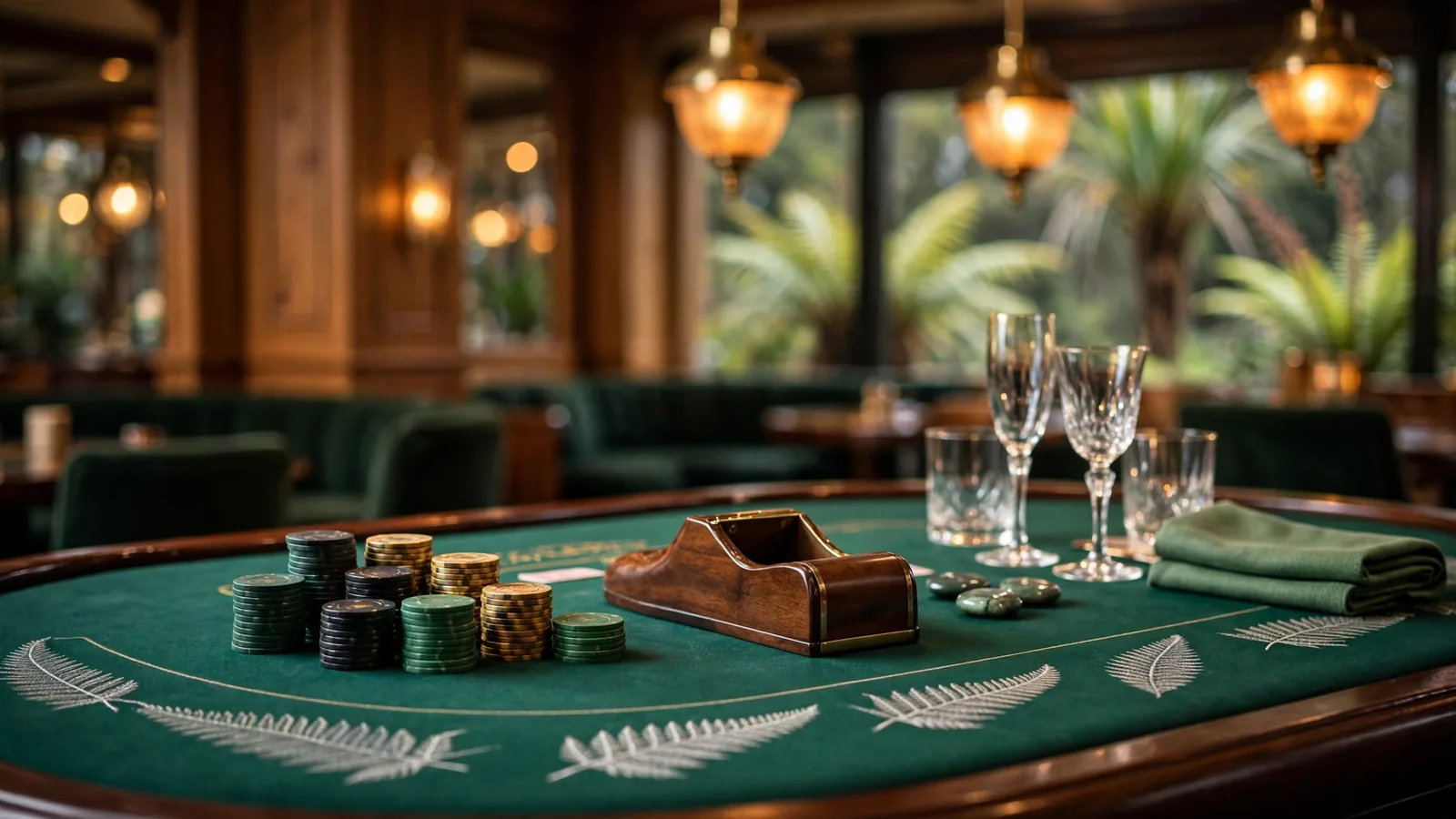
The feed also has a technical role: it lets you observe the real dealer and table during live play. It is not merely decorative footage placed around a digital game. If the transmission stops or becomes unclear, you lose some or all of that visual connection, even if the underlying table activity continues at its source. A specialist review notes that live dealer games can encounter technical problems; that is a possibility to account for, not evidence that a particular broadcast is unreliable.
The image should therefore be treated as one part of the experience, with a defined scope. It can show the visible presentation of live roulette and let you follow events at the table. It cannot show every backstage procedure or answer every question about the operator. Nor should a clear picture be mistaken for proof that every aspect of the service has been independently verified.
This is a useful way to understand video roulette live: the video links a remote player to a real dealer working at a physical table, while the picture itself remains a limited window. The broadcast makes real-time participation possible, but it does not reveal everything beyond the frame or remove the possibility of a transmission issue. When you assess what the stream tells you, separate what is plainly visible from what would require other evidence.
Roulette Odds, House Edge and the Limits of Strategy
A roulette bet has two relevant parts: the chance that its outcome occurs and the payout attached to that outcome. The house edge expresses the gap between the payout offered and the bet’s mathematical expectation over repeated play. It is not a fee deducted from each wager, nor a prediction of what will happen in a particular round. A single result can go either way; the edge describes the long-run structure of the game.
Has a stated house edge of approximately 2.7%.
Has a higher stated house edge of approximately 5.26%.
For live European roulette, the stated house edge is about 2.7%. For live American roulette, it is about 5.26%. These figures describe the expected proportion of stakes retained by the casino across many bets, not a guaranteed loss of that share in every session. Your results over a short period can differ substantially from the expectation because individual outcomes vary.
The difference between the two figures matters when you compare the formats: the American version has the higher house edge. A strategy that changes which bets you place does not remove that underlying disadvantage. Choosing a different bet changes the pattern of possible wins and losses, but it does not turn the game’s payout structure into a favourable one for the player.
That distinction is useful when assessing a live online roulette strategy. A plan might set a stake size, select a pattern of bets, or specify when to stop. Such rules can shape how much you wager and how long you remain exposed to the game. They cannot make past results alter the probability of a future result, or erase the house edge built into the format. A run of wins is not evidence that the next outcome is more likely to favour you; a run of losses does not create a debt the wheel must repay.
The same limit applies to systems that increase or decrease stakes after a result. They redistribute risk across rounds rather than changing the game’s mathematical expectation. Increasing stakes can make a later loss more consequential; reducing them can limit exposure, but it does not create an advantage. The outcome of each bet remains uncertain, while the edge continues to apply to the game’s overall structure.
If you want to compare options, use the house-edge figures as a measure of the game’s built-in cost, not as a forecast for your next session. European roulette has the lower stated edge of the two. No live roulette strategy can guarantee a profit or neutralise that difference; it can only govern your own staking choices and exposure.
Free Play and Live Roulette Offers
A free-play version of live roulette is not the same as a free-to-run game. A live dealer table requires resources to operate, which gives casinos a direct cost even when a player is not wagering. For that reason, live dealer games are typically not offered for free play. You may be able to view a game or find other promotional content, but that does not mean you can take part in a live round without placing a wager.
This distinction matters when you are looking for a free live roulette online game. The word “free” can describe different things: access to a demonstration, a promotional offer, or play at a live table without risking your own balance. Those are not interchangeable. A promotion does not by itself show that the live roulette table is available in a no-cost mode; the offer’s terms determine what it applies to.
The same caution applies to searches for a free bet on live roulette or a package described as live roulette with free spins. A free bet and free spins are different promotional mechanics, and neither phrase confirms that a staffed roulette table can be played for free. Check whether the offer specifically covers live dealer roulette, rather than assuming that a general casino promotion includes it. If the terms do not clearly include the table, treat the offer as unconfirmed for that game.
There is a practical reason for the limitation. A live table involves a dealer and an operating setup, so providing play without wagers still carries costs for the casino. A digital demonstration does not necessarily have the same operating requirements, but it also does not reproduce participation at a live dealer table. Free access to one format should not be taken as evidence of free access to the other.

If your aim is to understand how a live round looks before wagering, distinguish watching from playing. A video or demonstration may help you see the table, but only a clearly stated no-cost live-play option would mean that you can join the actual game without placing a wager. Since live dealer games are typically not available in that way, do not plan around a free-play mode unless the casino explicitly confirms it.
What ‘Auto’ Means at a Live Roulette Table
“Auto” can describe different things in online roulette, so the label alone does not tell you how a table operates. A live dealer game depends on a professional dealer and a live video feed. An automated experience, by contrast, should not be assumed to involve a dealer carrying out each part of the game at a physical table. The distinction is about who or what runs the game, not simply how quickly the screen responds.
If you encounter a table described as auto roulette, check what the operator means by that label before treating it as a live dealer table. The wording does not establish that a particular automated roulette option is available, nor does it explain its rules. For live roulette, the defining element is the dealer’s participation in the game, with the feed allowing you to follow and interact with that dealer. A screen displaying roulette activity is not, by itself, proof that a real dealer is operating the table.
This matters when you are trying to understand what happens during a pause. In a live game, the software and the physical table have to stay connected well enough for the game to be presented through the feed. A technical interruption can therefore affect what you see or how the live experience proceeds. A specialist review has noted that live dealer games can encounter technical problems, but that does not mean every pause indicates a fault. The cause and handling of a specific interruption depend on the service operating the table.
Do not treat “auto” as a guarantee of uninterrupted play or as evidence that a live dealer has been removed. Read the table description and its help information to establish whether a real dealer is involved and what the label refers to. If the live feed stops or becomes unclear, avoid guessing what is happening from a static screen. Use the table’s displayed support or interruption guidance, then resume only when the game state is clear.
How to Follow a Live Roulette Round
A live roulette round combines a physical table with an online betting screen. You watch the dealer and table through a live video feed, while the game interface lets you follow the action and interact with the professional dealer. The feed and interface serve different purposes: the video shows the live table, and the screen provides the controls for taking part.
The main adjustment is pace. Live games generally give you a limited window to place a bet, so you need to make your choices before that period ends. You cannot assume the table will wait while you study the screen or decide what to do. If you are new to the format, take time to understand the interface before joining a round; once play is under way, the available decision time is shorter.
While watching, keep track of whether the game is accepting bets and whether the current round has moved on. The screen is your cue for the state of the game, while the live feed lets you see the dealer operating the table. Follow both rather than relying on the video alone: a clear view of the table does not necessarily tell you how much time remains to act.
To play live roulette, you use the on-screen controls during the permitted betting period, then watch the dealer and table as the round continues. The live format may let you interact with the dealer, but that does not mean the round pauses for conversation. Treat interaction as part of the experience, not as extra time to make a decision.
If you miss the betting window, do not assume you can add a choice to the round already in progress. Wait until the interface indicates that betting is available again, then act within the next window. This simple approach helps you follow the table without rushing through unfamiliar controls or confusing the current round with the next one.
Live Roulette Games: Table Operation and Timing
A live roulette table combines physical equipment with an online betting interface. The dealer works with a real wheel, rather than a wheel animation, and live dealer games operate from professional studios. Other live table games may use real cards. This physical setup is what distinguishes a live table from a game in which software generates the entire result.
For you, the important operational feature is that betting takes place in a defined window. You choose your wager through the table interface while betting is open. Once the window closes, you cannot add or change a bet for that round. Most live games limit the time available to place bets, which makes their pace faster than a format with no timed betting period.
That limit affects how you use the table. If you need to review the layout, check your selection or adjust a wager, do it before betting closes. A late click may not be accepted for the round. The interface indicates whether betting is open, so use that status rather than assuming that a wager has registered.
The dealer and the physical equipment continue to operate as part of the same game, while the interface handles your online participation. You do not control the wheel or the dealer’s actions; your role is to make selections during the available betting period. The live format therefore has two connected parts: a physical table being operated by a dealer and a timed way for remote players to submit bets.
Timing can differ between tables, so do not assume every game gives you the same amount of time. The practical pattern remains straightforward: betting opens, you make your selections, and the window closes before play proceeds. If you join after betting has closed, you need to wait for another betting window rather than expect a late wager to be included.
A live roulette game is therefore not simply a static betting screen. Its operation depends on the dealer, the physical wheel and the table’s timed betting process. Knowing when the interface is accepting bets helps you follow that process without confusing a visible selection with a wager that has been accepted.
Can New Zealand players play real-money live dealer games at offshore casino sites?
Yes. New Zealand players are not prohibited from using offshore casinos, and qualifying services that were already operating may continue during the transition to 1 December 2026. After that date, only approved operators may legally accept New Zealand players.
What games can I play at a live casino?
You can play live roulette, blackjack and baccarat. These games are streamed with real dealers, cards or roulette wheels.
Which live dealer games can New Zealand players usually access?
Live roulette, blackjack and baccarat are among the live dealer games available to New Zealand players at international or offshore sites.
Can players deposit and withdraw using New Zealand dollars at live casinos?
Yes. Many operators allow deposits and withdrawals in New Zealand dollars.
Prepared by the Casino Bonus Guide NZ editorial staff.