NZD Casinos: Deposits, Withdrawals and Currency Costs
 Available in US
An NZD balance records casino account activity, while payment methods, withdrawal terms and currency conversion shape how funds move.

Table of Contents
- What an NZD Casino Balance Actually Represents
- How New Zealand’s Online Casino Rules Affect Your Options
- How the 2026 Transition Changes the NZD Casino Market
- Checking an NZD Casino Site Before You Sign Up
- How to Compare Casinos That Accept NZD
- What a Low NZD Deposit Costs in Practice
- NZD Deposits: Payment Methods and Their Limits
- Why a $10 NZD Minimum Deposit Does Not Set Your Withdrawal Terms
- What to Expect When Withdrawing NZD
- Foreign-Exchange Costs and the Amount You Receive
What an NZD Casino Balance Actually Represents
An NZD casino balance is an account ledger expressed in New Zealand dollars. Deposits, wagers, bonus credits, game results and withdrawals are recorded in NZD, so the displayed balance gives you a running total in that currency. The label describes how the casino accounts for activity; it does not, by itself, explain how money moves between your bank, a payment provider and the operator.
Think of the balance as a record of amounts added to and removed from your casino account. When a deposit is credited, the account balance increases by the amount the casino records in NZD. When you place a wager, that amount is deducted from the available balance. A game result then changes it again: a return from play is credited, while a losing wager remains spent. The balance therefore reflects account activity, not a guaranteed amount you can take out at any moment.
Bonuses can appear alongside deposited funds, but they are still recorded in the account’s NZD denomination. A bonus credit may increase the figure shown on screen without being equivalent to cash that is immediately available for withdrawal. The operator’s terms determine how that credit can be used and whether any conditions apply before related winnings can be cashed out. For a clear reading of your balance, distinguish the total displayed figure from any separate cash and bonus components the account shows.
Choosing a casino for NZD play in 2026 means checking which options fit your needs before you sign up. Use these brief notes as a starting point and verify the details that matter to you.
License: Tobique Gaming Commission, licence no. 0000064 You can note that Neospin lists a Tobique Gaming Commission licence, number 0000064.
License: Tobique Gaming Commission, licence no. 0000091 7Bit Casino lists a Tobique Gaming Commission licence, number 0000091, for your reference.
License: Malta Gaming Authority, licence no. MGA/B2C/370/2017 Play Grand lists a Malta Gaming Authority licence, number MGA/B2C/370/2017.
License: Tobique Gaming Commission, licence no. 0000002 Ricky Casino lists a Tobique Gaming Commission licence, number 0000002.
License: 07017519840 · Payout speed: 1-3 business days Zotabet lists licence identifier 07017519840 and a payout speed of 1–3 business days. You can use those details when assessing it.
License: Malta Gaming Authority, licence no. MGA/B2C/394/2017 N1 Casino lists a Malta Gaming Authority licence, number MGA/B2C/394/2017.
Payout speed: 1-3 business days Lamabet lists a payout speed of 1–3 business days, a useful detail for you to consider.
Payout speed: 1-3 business days Wintino lists a payout speed of 1–3 business days. Keep this stated timeframe in mind as you assess it.
License: Curaçao Gaming Authority, licence no. OGL/2024/165/0185 BitStarz lists a Curaçao Gaming Authority licence, number OGL/2024/165/0185.
That distinction matters because a single headline balance can combine amounts with different rules. If the interface separates cash funds from bonus funds, check each figure rather than assuming the total is freely withdrawable. If the account shows only one combined total, consult its balance information and bonus terms to understand what part represents deposited money, bonus credit or winnings. The currency tells you the unit of account; it does not tell you the status of every dollar in it.
An NZD wallet can also prevent the casino itself from converting your account balance into another currency for routine account records. Deposits and play can be shown in NZD rather than being translated into a foreign-currency balance and back again within the operator’s system. That can make the account easier to track: the amount shown and the denomination used for wagers are aligned in the same currency.
This does not mean every stage of a transaction is free from conversion or fees. A bank or payment provider may charge separately, even when the casino wallet is denominated in NZD. The casino’s displayed balance describes what it has credited to your account; it does not establish what your bank deducted or what a provider may charge outside the casino ledger. Those are separate parts of the transaction and should not be confused with the currency shown in the wallet.
The same distinction applies when you request a withdrawal. The account may record the requested amount in NZD, but the displayed denomination alone does not establish the currency in which a bank or payment provider will settle it. It also does not show whether a third party will apply its own charge. The wallet answers a narrow question—how the operator records the account—not every question about the amount that ultimately reaches another financial account.

Currency can affect the games available as well as the arithmetic. A specialist review has reported that some operators make fewer games available when an account is set to NZD, and that some live tables may use another currency or may not be offered in NZD. Treat this as a possible difference to check in the game lobby, not as a rule that applies to every casino. If a particular game or live table matters to you, confirm that it is available in the NZD wallet before relying on the balance denomination alone.
An NZD balance is therefore most useful as a consistent accounting unit. It lets you read deposits, wagers, game returns and bonus credits in New Zealand dollars, while keeping separate the questions of bonus access, external fees and settlement currency. When you inspect the account, look at the denomination and at how the interface divides the balance. That gives you a more accurate picture than treating one displayed number as a complete description of the funds and their eventual destination.
How New Zealand’s Online Casino Rules Affect Your Options
New Zealand’s rules distinguish between the business operating an online casino and the person using it. The Gambling Act 2003 bars operators based in New Zealand from running online casino services locally. That restriction concerns domestic operation; it does not make a New Zealand player’s use of an offshore casino a criminal offence.
An online casino site may be accessible from New Zealand without being based in the country or being supervised by a New Zealand regulator.
This distinction matters when you encounter an online casino that accepts players from New Zealand. A site may be accessible from the country without being a New Zealand-based casino or being supervised by a New Zealand regulator. Access, the operator’s location and regulatory oversight are separate questions. A site’s ability to accept a New Zealand customer should not be taken as proof that it has local authorisation.
The Department of Internal Affairs explains that New Zealand law restricts domestic online casino activity. When assessing a site, check what licence it holds and consult current New Zealand guidance. A licence issued elsewhere is not the same as oversight by a New Zealand body. The regulator responsible for gambling in another country may apply its own rules, but that does not give the site a New Zealand licence or place it under domestic supervision.
What the Gambling Commission’s role means
The Gambling Commission of New Zealand does not oversee offshore online casino operators. In practical terms, you cannot treat the Commission as the regulator of an overseas site simply because it accepts customers in New Zealand. Its role does not extend to supervising those offshore services.
That limits the protections you can expect from domestic regulatory oversight. If a dispute arises with an offshore operator, you should not assume that the New Zealand Commission can investigate the site, enforce its terms or secure a particular outcome for you. The operator’s location and the regulator named in its licence determine which system, if any, supervises its conduct. The Commission’s lack of oversight does not itself show whether an offshore site is reliable; it identifies a boundary in New Zealand’s regulatory reach.

Before registering, read the operator’s licensing information and identify the authority named there. Check the details against current local guidance rather than relying on a site’s use of words such as “licensed” or “regulated” on its own. Those terms need context: the relevant questions are who issued the licence, which activities it covers and whether the regulator has authority over the operator. If the information is unclear, you cannot infer New Zealand oversight from the site’s availability or its display of NZD.
The player’s position is different
The fact that New Zealand law restricts domestic operators does not mean that a player who uses an offshore casino is committing a criminal offence. New Zealand law does not criminalise players for using offshore online casinos. This is a distinction between the rules governing the provision of a service and the legal position of the customer using it.
That point should not be confused with a guarantee of consumer protection. The absence of criminal liability for the player does not mean an offshore operator is licensed locally, that the Gambling Commission regulates it, or that a customer has access to the same complaint routes available under a New Zealand regulatory system. Legal permission for a player and regulatory supervision of a business answer different questions.
For you, the result is a market in which an NZD online casino may be reachable while sitting outside New Zealand’s domestic regulatory oversight. The currency displayed on a site does not alter its legal status: an NZD balance does not establish where the operator is based, which regulator supervises it or what protections apply. Those details must be assessed separately from the way the account records money.
Regulatory Gap
The New Zealand Gambling Commission does not oversee offshore online casino operators, meaning domestic regulatory protections may not apply.
It is also important to distinguish a restriction on domestic operation from a rule that blocks access to every offshore site. Offshore casinos can be available to New Zealand residents, even though the Gambling Commission does not regulate them. Availability is not a regulator’s endorsement, and it does not transfer responsibility for supervising an offshore operator to a New Zealand authority.
The practical legal picture is therefore not simply “online casinos are permitted” or “online casinos are prohibited.” New Zealand-based businesses are restricted from operating online casino services locally under the Gambling Act 2003; offshore services may still be encountered by players; and using those services is not, by itself, a criminal offence for the player. But the Commission’s domestic role does not extend to regulating offshore sites. Keeping those points separate helps you interpret a site’s claims without mistaking accessibility, currency support or an overseas licence for local regulatory coverage.
How the 2026 Transition Changes the NZD Casino Market
New Zealand’s online casino market is moving from a period without a domestic licensing system to one governed by the Online Casino Gambling Act 2026. The Act came into force on 1 May 2026, but that date did not mean that every casino serving New Zealand immediately held a New Zealand licence. The transition separates providers that were already operating from those seeking to enter under the new regime.
A specialist market review reports that an operator which was providing online casino services to New Zealand customers before 1 May 2026 can continue during the transition, subject to the applicable rules, through 1 December 2026. This is a time-limited continuation arrangement, not confirmation that the operator has been licensed or will receive a licence. A casino’s continued availability during this period therefore does not, by itself, establish its status under the future licensing system.

The same specialist review says that licence issuance is expected to start in early 2027. “Expected” matters: it describes an anticipated start, not a guarantee that licences will be issued on a particular day or that any named operator will be approved. The full licensed regime is not expected to be operational until 2027, so the transition and the eventual licensing system are distinct stages.
For a player looking at newly available NZD casinos, the practical distinction is between a site’s presence in the market and its authorisation under the new framework. Availability during the transitional period is not proof of approval, while the anticipated start of licensing does not establish that a newer entrant has a licence. Do not infer a provider’s status from its currency options, launch date, or continued operation alone.
The timeline also means that statements about the market can become outdated quickly. A description written before the transition deadline may not reflect the position after it, and an expected licensing timetable can change as implementation proceeds. Treat the transition dates as boundaries in the regulatory process, not as a ranking of casinos or a signal that any particular site is endorsed.
Checking an NZD Casino Site Before You Sign Up
Treat the NZD label as a claim to verify, not proof that every part of the account works in New Zealand dollars. Before registering, look for clear, consistent information about the balance currency, payment conditions, identity checks and security. If those details are missing or scattered across vague pages, you cannot reliably predict how the account will operate.
Verification Checklist
- Identify the licensing authority and check it independently
- Confirm the connection is protected by SSL encryption
- Verify evidence of an independent RNG audit
- Check how player funds are separated from business funds
- Review identity check and KYC processes
Start with the operator’s licence. The site should identify the licensing authority and make its licence information accessible so you can check it independently. Do not assume that a foreign licence is a New Zealand licence, or that a casino displaying NZD is locally regulated. Check current local guidance as well as the operator’s own statements.
Next, inspect the site’s security information. Confirm that the connection is protected by SSL encryption, and look for evidence of an independent audit of the random number generator. The operator should also explain how player funds are kept separate from business funds. A badge or logo alone is not enough: check whether the site identifies who carried out the audit and what the security claims cover. If you cannot verify the licence, encryption, independent RNG audit and player-fund segregation, do not deposit.
Read the account and privacy terms to see what identity checks involve and when documents may be requested. Regulated casinos require Know-Your-Customer documents before releasing a withdrawal, so check that the site explains its process before you sign up. A legitimate verification process may ask for identity, address or payment-ownership evidence. It should not ask you to disclose online banking passwords, PINs, full security codes or one-time login codes.
Finally, check that the payment page and account terms describe the NZD balance consistently. Look for any conditions that could change how a transaction is handled, and make sure the operator provides a way to contact support about unclear wording. Keep a copy of the relevant terms as they appear when you register; that gives you a reference if the displayed currency or verification requirements later seem inconsistent. Do not rely on a prominent NZD symbol if the underlying explanations do not say what it applies to.

How to Compare Casinos That Accept NZD
An NZD-friendly casino records your deposits, play, bonuses and balance in New Zealand dollars. That gives you a consistent unit for comparing the amount you put in with the amount shown in your account. But the currency label alone does not tell you how the whole account works. Compare the terms behind it: which games are available in NZD, what happens to bonus funds, and how a balance is handled when you cash out.
Start by checking whether NZD applies throughout the account or only to the cashier display. Look for the currency stated for deposits, bets, bonus credits and account balances. If those details are unclear, ask support to confirm them before registering. A site that shows an NZD balance may still settle a cashout in another currency, according to a specialist review. Treat the settlement currency as a separate point to verify rather than assuming it follows the display currency.
Next, compare the games available in the NZD wallet. A specialist review reports that some operators make fewer games available in NZD, while some live tables use another currency or cannot be played in NZD. Check the game lobby while the NZD account setting is active, not just a general catalogue page. This helps you distinguish a broad selection advertised across the site from the selection you can actually use with your chosen balance.
- Check if NZD applies to deposits, bets, and balances
- Verify the settlement currency for cashouts
- Check the game lobby while the NZD setting is active
- Assume a site’s availability means local authorisation
- Rely on a currency badge without checking terms
- Assume a cashout will settle in the same currency as the display
Read welcome package terms as part of the comparison, not as a headline offer. Check how bonus funds are separated from cash, which games contribute towards any wagering requirement, and whether there are restrictions on bet size, expiry or maximum cashout. A specialist review notes that these conditions can affect whether bonus-related winnings are available to cash out. If a term is difficult to find or is worded ambiguously, ask for clarification and keep the response.
Then compare the cashout terms with the NZD balance you expect to build. The displayed balance does not by itself confirm the currency that will reach your account. A specialist review also notes that currency conversion can reduce the amount received even when a casino advertises no withdrawal fee. Check the stated settlement currency and whether a conversion may occur between the casino and your receiving provider. The advertised fee and the amount ultimately received are different parts of the calculation.
A useful comparison therefore separates three questions: Is the account genuinely denominated in NZD? Can you access the games and bonus terms you care about in that currency? And do the cashout terms explain the settlement currency and any conversion? These checks make two NZD-friendly sites comparable on their actual conditions, rather than on a currency badge or promotional headline alone. When a detail is absent, do not treat silence as confirmation: ask the operator and compare its answer with the written terms.
What a Low NZD Deposit Costs in Practice
A small deposit can be affected disproportionately by a fixed transaction fee. The fee does not shrink just because the amount being sent is small: if a bank or payment provider deducts a set charge, that charge takes up a larger share of a low-value transfer than of a larger one. A specialist review reports that banks or payment providers may apply fixed fees that reduce the value of a small deposit. Whether that happens depends on the terms of the service you use.

The important distinction is between the amount you set out to deposit and the amount that reaches your casino balance. They are not necessarily identical. A fee might be charged separately, deducted from the transfer, or reflected in the final amount credited, depending on how the transaction is handled. You need to check the fee information for the specific service and the casino’s deposit rules before assuming that the full amount you authorise will appear in your account.
Why a fixed fee weighs more on a small sum
A fixed charge has the same face value regardless of the transfer size. Its relative effect therefore changes with the deposit amount: the smaller the deposit, the more of it the charge can consume. This is why a low entry amount can look affordable on a casino’s page but still deliver less usable balance than you expect.
Think of the deposit as having two separate parts: the amount you intend to send and any cost imposed while sending it. If the provider charges a fee outside the transfer, you may pay more than the amount credited. If the fee is taken from the transfer itself, the casino may receive less than you authorised. The precise handling matters, so a headline minimum alone cannot tell you the final balance.
This distinction also affects how you interpret a deposit threshold. A threshold tells you the smallest amount the casino says it will accept under the stated conditions. It does not, by itself, explain whether your bank or payment provider will charge a fee, or whether a fee will reduce the amount reaching the casino. The threshold and the transfer cost belong to different parts of the transaction.
Fixed Fees
Attention A fixed transaction fee can significantly reduce the value of a small deposit compared to a larger one.
Read the total cost, not just the deposit amount
Before sending a small sum, check the information from both sides of the transaction. The casino’s cashier or payment terms may state the accepted deposit amount and any operator-side charge. Your bank or payment provider sets its own charges separately. A fee-free statement from one party does not establish that every other party involved will also charge nothing.
Pay attention to whether the displayed amount is the amount you will pay, the amount the casino expects to receive, or simply the amount you entered into a form. These figures can coincide, but they describe different stages. If a service does not make the distinction clear, do not treat the displayed number as proof of the final credited balance.
A useful check is to compare the amount authorised with the amount the casino records after the transaction completes. Keep the confirmation from the payment service and the casino’s account history, so you can see whether they match. If they do not, those records help identify where the difference arose. Do not assume that a mismatch is a currency conversion: a fixed fee can reduce a small transfer without any currency exchange being involved.
When the advertised minimum misleads
A low advertised minimum can describe the casino’s acceptance rule while saying nothing about the net value of the deposit. For instance, the casino may accept a small amount, but a separate provider charge could make the total cost to you higher than that amount. Alternatively, if a fee is deducted before crediting, the balance may be lower than the figure you intended to deposit. The exact outcome depends on the applicable fee and how it is applied.
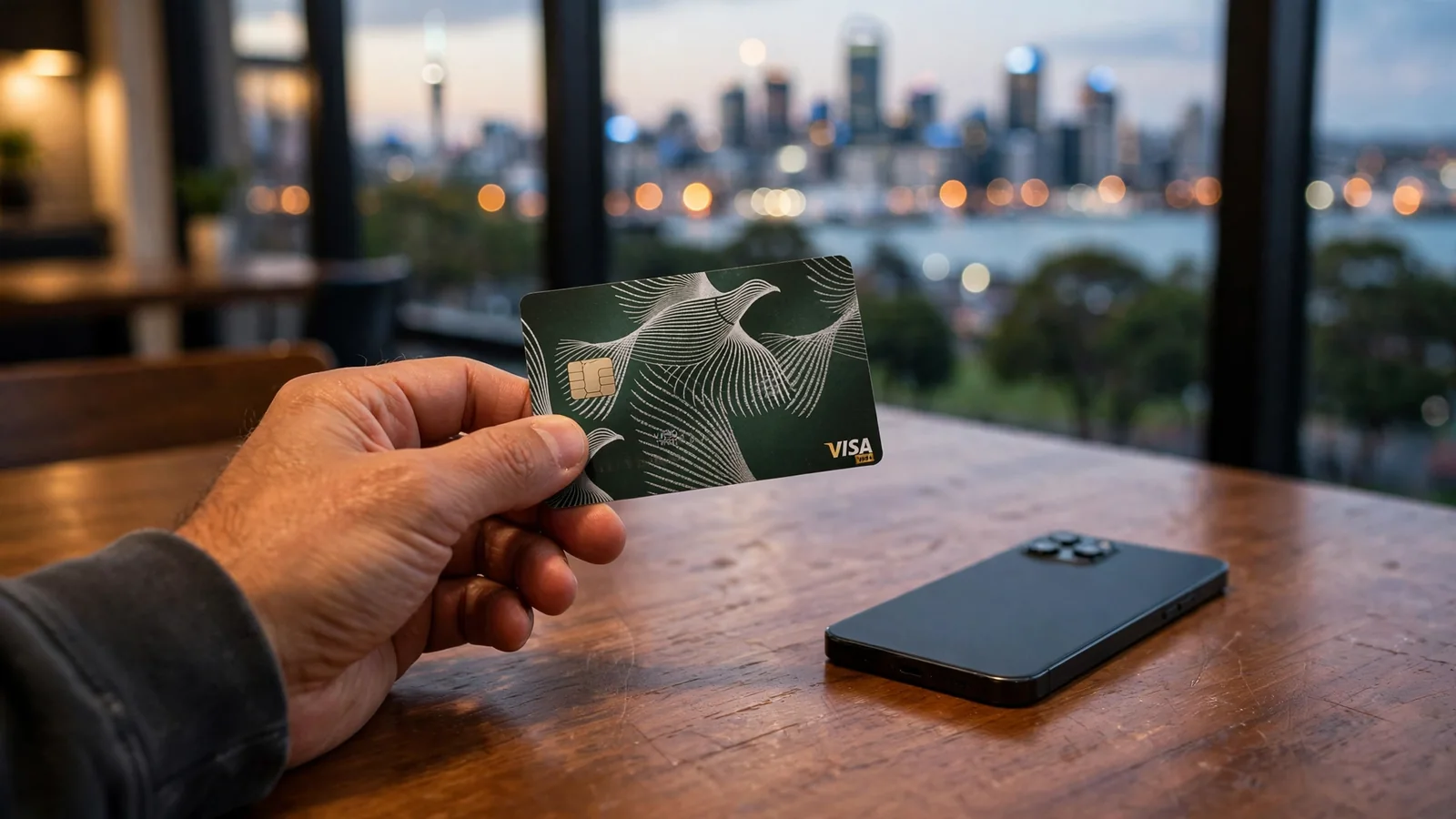
This does not mean every small deposit will incur a charge. It means the minimum amount is not enough information to establish the transaction’s cost. Check the relevant terms rather than inferring that a low threshold means a low total cost. If the fee cannot be determined before you confirm the transaction, you cannot reliably calculate how much value the deposit will provide.
The same reasoning applies when you compare two advertised entry amounts. A lower threshold is not automatically better value if the transfer cost is fixed, unclear, or charged separately. Compare the expected amount credited and the total amount leaving your account, not just the number shown beside the deposit button. That gives you a more accurate picture of what a small NZD deposit costs in practice, without confusing the casino’s acceptance threshold with the cost of moving money.
NZD Deposits: Payment Methods and Their Limits
A payment method can be available for adding money without being available for cashing it out. Treat those as separate functions, not as two sides of one feature. Before depositing, check the cashier’s instructions for both deposits and withdrawals: the listed options can differ, and the rules may depend on the method used to fund the account.
POLi illustrates this distinction. It is a bank-payment option that is often fee-free for deposits, but cashouts usually require another method. That means a POLi deposit does not, by itself, establish how you can receive money later. Check whether the casino requires a bank account or another payment destination for cashouts, and whether that destination must be in your name.
Payment Differences
Some payment methods, like POLi, may allow for fee-free deposits but are not necessarily available for withdrawals.
A traditional bank transfer has a different practical profile. It can be slower than an e-wallet, but it is considered reliable for larger withdrawals. If you use a transfer, confirm that the casino provides the relevant bank details and instructions for your account, rather than assuming that a transfer option shown elsewhere applies to you. The payment provider’s steps and the casino’s own cashier rules both affect whether the route is usable.
A specialist review of casino payment options notes that some methods may allow deposits but not withdrawals. Because payment arrangements can change, treat that as a possibility to verify on the operator’s current cashier page, not as a rule that applies everywhere. Look for explicit wording about whether a method is deposit-only, whether withdrawals must return through the original route, and what alternative is accepted if that route cannot receive funds.
For an NZD deposit, also check that the cashier identifies the amount and currency before you confirm the transaction. Then read the withdrawal instructions for the same account: a payment logo on the deposit screen is not proof that the method can send money back. Before funding an account, verify the operator’s licence, SSL encryption, independent RNG audit and player-fund segregation information. These checks help you assess the site; they do not make one payment route suitable for every player.
Why a $10 NZD Minimum Deposit Does Not Set Your Withdrawal Terms
A $10 NZD minimum deposit tells you the smallest amount an operator will accept to open the balance. It does not establish the minimum cashout, the maximum you can request, or how much of your balance is eligible to withdraw. Deposit and cashout rules serve different purposes, so check them separately before you fund an account.

A specialist casino review describes operators setting cashout limits by transaction and over daily, weekly or monthly periods. The payment provider may also cap what it can transfer. These restrictions can interact: a request may fit the casino’s limit but exceed the provider’s maximum, or a larger balance may need to be withdrawn in separate requests. Read the operator’s terms and the provider’s conditions to understand which limit applies to your chosen route.
A welcome package can add another layer. A specialist casino review notes that bonus-related cashouts can depend on whether wagering requirements have been met, which games counted towards them, and whether maximum-bet rules were followed. Expiry terms or a maximum cashout can also affect the amount available. A deposit that meets the advertised threshold therefore does not, by itself, qualify every associated balance for withdrawal.
Check whether the cashout rules distinguish deposited funds, winnings and bonus funds. Then look for the minimum request, transaction caps, time-based limits and any conditions attached to promotional play. If the terms are unclear, ask the operator to explain how they apply before accepting a welcome package; do not assume that a low entry threshold means you can cash out on the same terms.
Before depositing, verify the operator’s licence information, SSL encryption, independent RNG audit and player-fund segregation. A routine cashout should not require an unrelated private payment described as a tax, insurance fee, release charge or account-unlocking fee. These checks concern whether and how funds can be released; the deposit minimum answers only whether you can start playing.
Withdrawal Timing
Total wait times include both casino processing and bank settlement periods.
What to Expect When Withdrawing NZD
A cashout has two separate stages. First, the casino reviews and approves your request; then the payment provider or bank moves the money to your account. The time shown for a payment method may describe only the second stage, so it does not necessarily include the casino’s review.
The first request can take longer than later ones if the operator asks you to verify your identity, address or ownership of the payment destination. A specialist review describes these checks as a possible reason for delay. Submit the requested documents through the operator’s stated secure process and make sure the details match your account. If a document is rejected or the destination cannot be confirmed, the review may take longer.
For New Zealand players, the overall wait is commonly between one and five business days from the request. That span can include both casino processing and payment settlement. Once the casino has processed the cashout, an e-wallet may receive the funds within minutes. A bank transfer, by contrast, commonly takes one to two working days to arrive in New Zealand. These are different parts of the journey: a fast provider transfer does not remove time spent waiting for the casino to approve the request.
The calendar matters too. Payment networks and bank clearing systems do not settle transactions on Saturdays, Sundays or national holidays. A request made shortly before a non-settlement day may therefore remain in the queue until processing resumes. Count business days rather than assuming that every calendar day advances the transfer.
When checking an online casino that accepts NZD, look for separate information about the operator’s approval time and the payment method’s delivery time. If the site gives only one estimate, treat it as an overall guide rather than proof that the money will arrive by a particular hour. Keep the request confirmation and note when the status changes from pending to processed; that helps distinguish a casino-side delay from a transfer that is still moving through the payment system.
Foreign-Exchange Costs and the Amount You Receive
An NZD balance tells you how the casino records your funds; it does not establish the currency that will arrive in your bank account or e-wallet. A site may display your balance in New Zealand dollars while routing a cashout through a payment destination that settles in another currency. If conversion occurs, the amount credited can differ from the NZD figure shown in the casino.
The conversion rate is part of the cost. A receiving bank or e-wallet can apply an exchange margin, meaning the rate used for the transaction is less favourable than the reference rate you might see elsewhere. A specialist review puts such margins in the 2% to 4% range, but the rate and method depend on the provider handling the transaction. Check the receiving provider’s own currency-conversion terms rather than assuming the casino’s displayed balance determines the final exchange rate.

A casino’s “no withdrawal fee” claim does not rule out this cost. It may mean the casino does not deduct a separate charge; it does not necessarily mean that the receiving provider will convert the funds at a rate with no margin. The amount you receive can therefore be reduced by conversion even when no casino fee is shown.
Before requesting a cashout, check the casino’s terms for the settlement currency and ask whether the destination account can receive that currency. Then review the bank or e-wallet’s exchange-rate policy and identify which provider performs the conversion. If the casino pays in NZD and the receiving account also holds NZD, that may avoid conversion at that point, but it does not prove that no other provider fee applies. Confirm the actual currency path rather than relying on the balance label.
Before depositing, verify the operator’s applicable licence and check for SSL encryption, an independent RNG audit, and clear information on how player funds are segregated. These checks do not determine the exchange rate, but they help you assess the site before placing money with it. Keep the casino’s currency terms separate from the receiving provider’s terms: they govern different stages of the transaction.
Prepared by the Casino Bonus Guide NZ editorial staff.